What Is an Asado? Argentina's Sunday Ritual, Explained
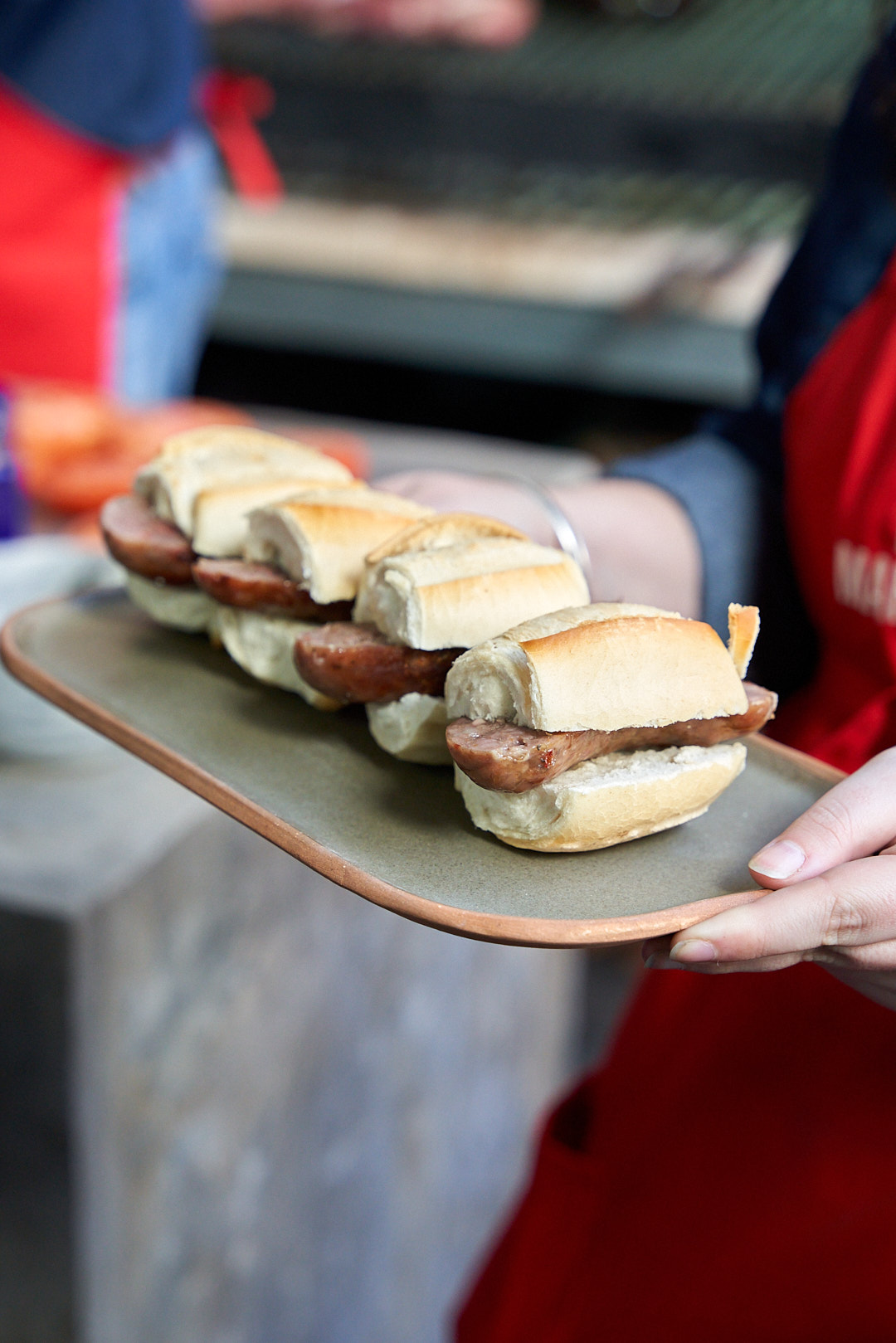
An asado is Argentina's traditional barbecue: a long, slow meal of meats grilled over wood or charcoal embers. But in Argentina the word means much more than a cooking method. An asado is a social ritual. It is why families gather every Sunday, how friendships are sealed, and where the country's most important conversations happen. If you understand asado, you understand a large part of Argentina.
We are Betty and Marcelo, and we have hosted asados in Buenos Aires our whole lives. Here is what the tradition actually is.
What Does Asado Mean?
Asado comes from the Spanish verb asar, to roast. Argentines use the word in three ways:
- The event. "Sunday we're having an asado" means a gathering, not just a meal.
- The technique. Meat cooked slowly over embers on a parrilla (grill), never over open flame.
- The food. Tira de asado is also the name of a specific cut of short ribs.
When someone invites you to an asado, they are inviting you to all three at once.
The Sunday Ritual
Across Argentina, Sunday is asado day. The fire is lit around midday, the first chorizos come off the grill an hour later, and the meal stretches into the afternoon. Nobody checks the time. The asado is where birthdays are celebrated, promotions are toasted, football is argued about, and stories are passed between generations.
Most visitors miss this part: the slowness is deliberate. An asado that finishes quickly has failed.
How an Asado Unfolds
A proper asado follows a progression that has barely changed in a century:
- The fire. The asador lights wood or charcoal and waits 45 minutes for it to burn down to glowing embers. Cooking over flame is the mark of an amateur.
- Picada and welcome drinks. Guests nibble cheese and salami while the fire works. Empanadas often appear here too.
- Choripán and morcilla. Grilled chorizo in crusty bread, and blood sausage for the brave. The official opening act.
- The lighter cuts. Matambrito (pork flank) and provoleta, a round of provolone cheese melted directly on the grill.
- The main cuts. Beef, served in waves as each cut reaches its moment: tira de asado, vacío, colita de cuadril, ojo de bife. Always with chimichurri and salsa criolla.
- Dessert and sobremesa. Something sweet, then sobremesa: the long conversation at the table after the food is gone. Often the best part.
Curious what each cut is? Our guide to Argentine steak cuts covers every one you'll meet on a parrilla.
The Asador
Every asado has exactly one person in charge of the fire: the asador. The role is earned over years and guarded jealously. The asador decides when the embers are ready, where each cut goes on the grill, and when it comes off. Guests eat, drink, and keep the asador company. They do not touch the grill.
When the main cuts are served, tradition demands the table deliver the highest honour in Argentine dining: un aplauso para el asador, a round of applause for the grillmaster.
Asado vs Parrilla vs Barbecue
These three words get tangled constantly. Here is the difference:
| Term | What it means |
|---|---|
| Asado | The social event and the slow-grilling technique. A gathering, hosted at home |
| Parrilla | The grill itself; also what Argentines call a steakhouse restaurant |
| Barbecue | The closest English word, but asado uses no smoker, no heavy rubs, and no rush |
So: you order steak at a parrilla, but you are invited to an asado. A parrilla restaurant feeds you well. An asado adopts you for the evening.
Asado Etiquette: How to Be a Good Guest
If an Argentine invites you to an asado, congratulations. That is real affection. A few unwritten rules:
- Never touch the grill. Not to help, not to flip anything. The fire belongs to the asador.
- Arrive hungry and be patient. The meal will take hours. That is the point.
- Bring something. Wine is the classic choice. Nobody will ask; everybody will notice.
- Pace yourself early. Cuts arrive in waves, and the best beef comes last.
- Applaud the asador. When the mains land on the table, join the applause. Loudly.
How to Experience a Real Asado in Buenos Aires
The catch for visitors: a true asado happens in homes, not restaurants, and most travellers don't have an Argentine family to invite them. That is the gap our asado experience fills. You sit beside the parrilla in our Palermo Soho workshop while Marcelo works the fire through the full progression and Betty shares the stories behind the tradition.
For the complete picture of the evening, read what to expect at an asado experience, or start with our guide to asado in Buenos Aires.
FAQ: Asado
What does asado mean in Spanish?
Asado literally means "roasted", from the verb asar. In Argentina it names the traditional barbecue gathering, the slow ember-grilling technique used at it, and a specific cut of short ribs (tira de asado).
What is the difference between asado and barbecue?
Asado uses no smoker and almost no seasoning beyond coarse salt: quality beef cooked slowly over wood or charcoal embers. Culturally, asado is a social ritual measured in hours, with a defined progression of cuts and a single grillmaster (the asador) in charge of the fire.
How long does an asado last?
Three to five hours is normal for a family asado, from lighting the fire to the after-meal conversation (sobremesa). Hosted asado experiences for visitors typically run 2.5 to 3 hours.
Can visitors experience a real asado in Buenos Aires?
Yes. Traditional asados happen in private homes, so the most authentic option for travellers is a hosted asado experience, where you join a local family around their own parrilla rather than ordering from a menu. Betty and Marcelo host one in Palermo Soho for $104 per guest with all courses and wines included.