Argentine Steak Cuts: The Complete Guide to Ordering Beef Like a Local
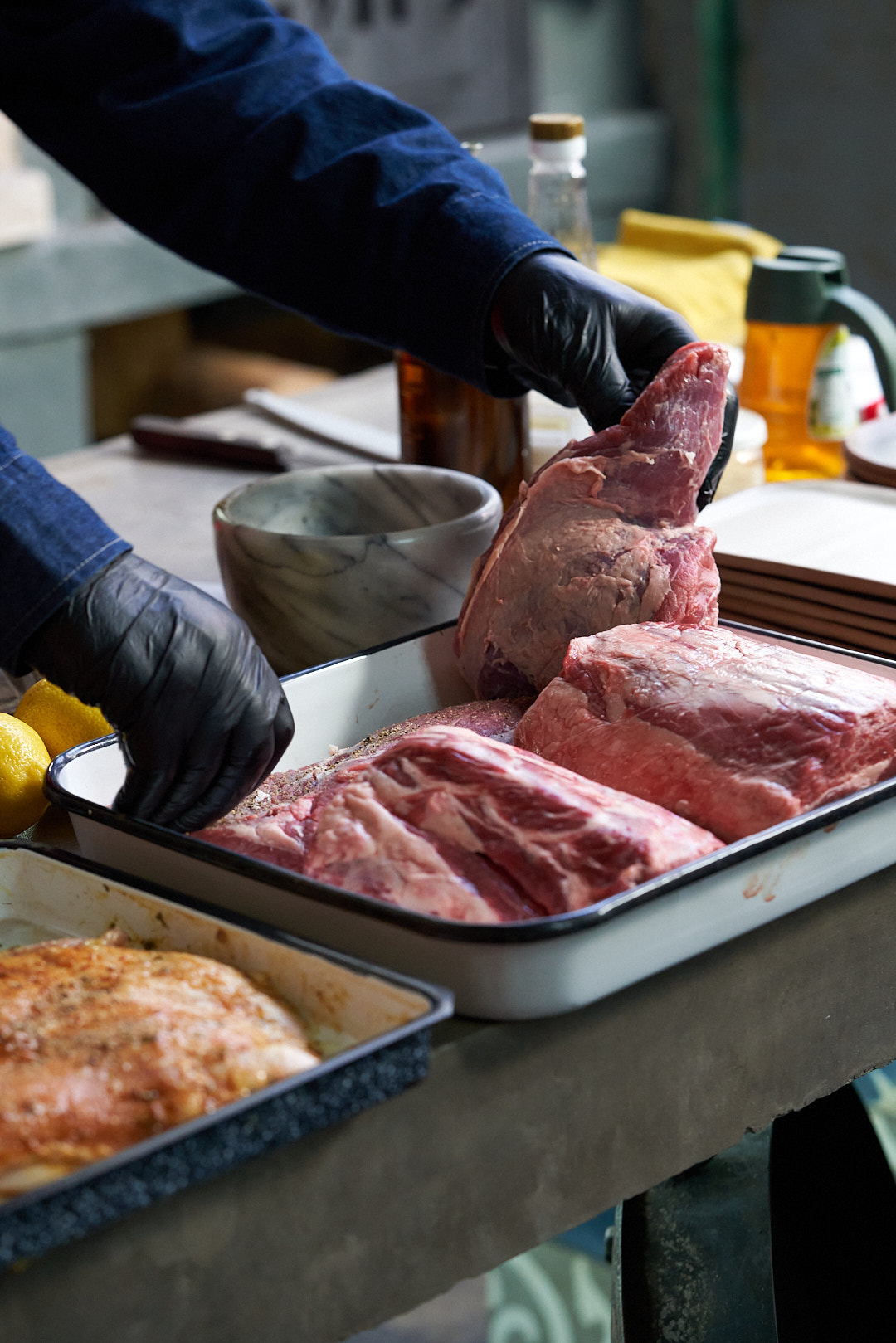
You sit down at a Buenos Aires parrilla. The menu arrives. You recognise almost none of the cuts. You order something that sounds familiar and end up with something unexpected.
This guide fixes that. Here is every major cut you will find at an Argentine steakhouse, what it actually is, and how to order it properly. I am Marcelo, and I have spent my life cooking these cuts over embers at our asado in Palermo Soho. This is the guide I wish every guest had read before their first parrilla menu.
The Argentine Beef Cuts Chart
Argentine butchery divides the steer differently from American or British butchery, which is why translation apps fail you at the counter. This chart maps the 14 classic cortes to their closest English names:
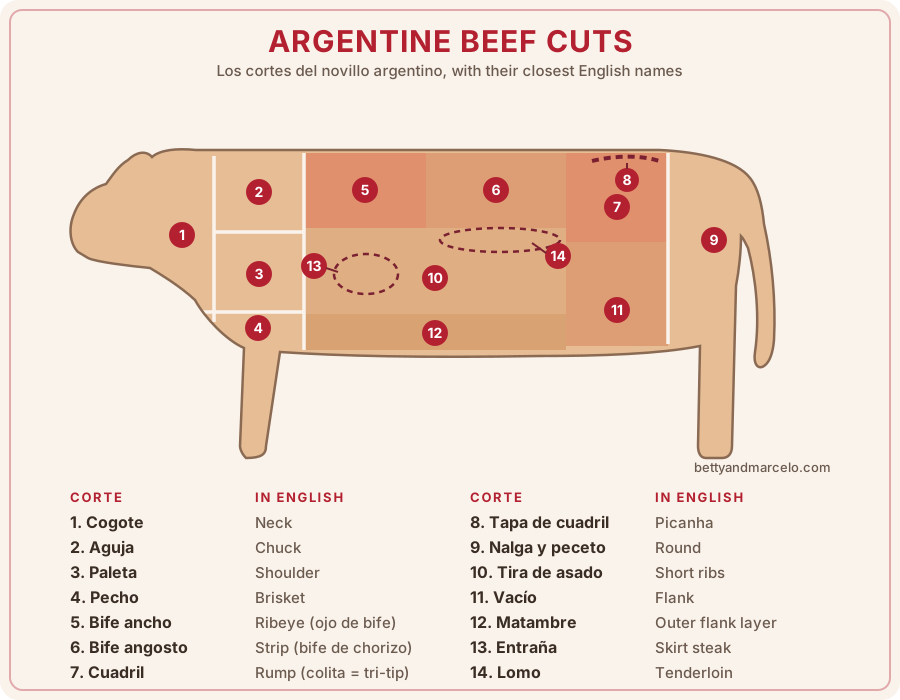
All 14 Cuts at a Glance
| # | Corte | In English | Order it |
|---|---|---|---|
| 1 | Cogote | Neck | Stews only, skip at the parrilla |
| 2 | Aguja | Chuck | Slow braises |
| 3 | Paleta | Shoulder | Milanesas and stews |
| 4 | Pecho | Brisket | Long, slow fires |
| 5 | Bife ancho (ojo de bife) | Ribeye | Jugoso |
| 6 | Bife angosto (bife de chorizo) | Strip / sirloin | Jugoso or a punto |
| 7 | Cuadril (colita de cuadril) | Rump (tri-tip) | Jugoso |
| 8 | Tapa de cuadril | Picanha | Jugoso |
| 9 | Nalga y peceto | Round | Milanesas, not steaks |
| 10 | Tira de asado | Short ribs | Slow, it comes when it comes |
| 11 | Vacío | Flank | A punto |
| 12 | Matambre | Outer flank layer | Stuffed and rolled, or a la pizza |
| 13 | Entraña | Skirt steak | Jugoso, never more |
| 14 | Lomo | Tenderloin | Jugoso |
Why Argentine Beef Is Different
Before the cuts, a word on the beef itself. Argentine cattle are grass-fed on the Pampas, which produces meat that is leaner and more mineral-rich than grain-fed beef. The flavour is deeper and more distinctly beefy. Fat marbling is lower than, say, a USDA prime ribeye, but the flavour more than compensates.
The cooking method also differs. Argentine parrilleros cook over wood or charcoal embers at lower heat for longer periods. Patience is part of the technique.
The Star Steak Cuts
Ojo de Bife (Ribeye)
The most popular cut at any parrilla and the one most visitors recognise. Ojo de bife is the eye of the bife ancho section: well-marbled, rich, and full of flavour. If you want one steak that represents Argentine beef at its best, this is it.
Order it: medium to medium-rare (a punto or jugoso).
Bife de Chorizo (Sirloin/New York Strip)
Despite the name, this has nothing to do with chorizo sausage. Bife de chorizo comes off the bife angosto, the strip section along the lower back. It is leaner than ribeye but deeply flavourful with a firm, satisfying texture. Argentina's most beloved everyday cut.
Order it: medium-rare to medium (jugoso or a punto).
Lomo (Tenderloin)
The most tender and most expensive cut on the menu, and the one Argentines order least at a parrilla. Lomo has almost no fat, which makes it silky but mild. It shines in a lomito sandwich or with a sauce; over embers it needs a careful hand because it dries out fast.
Order it: rare to medium-rare (muy jugoso or jugoso), never beyond.
Bife de Costilla (T-Bone)
The strip and the tenderloin together, separated by the T-shaped bone. This is the old-school Sunday steak, usually cut thick and shared. Fewer parrillas carry it today, so when you see it on a menu, that is usually a house that takes its beef seriously.
Order it: a punto. The bone slows the cooking, so thicker cuts need the extra time.
Colita de Cuadril (Tri-Tip)
A uniquely Argentine cut off the rump. Tri-tip is virtually unknown outside South America but it is one of the finest cuts on the parrilla when cooked properly. Lean, tender, and deeply beefy. At Betty and Marcelo's asado, this is one of the centrepiece cuts.
Order it: medium-rare (jugoso). It dries out quickly if overcooked.
Tapa de Cuadril (Picanha)
The cap of the rump, famous under its Brazilian name picanha. A thick layer of fat on one side bastes the meat as it cooks, and the result is juicy with a crisp, salty edge. Argentine parrillas serve it less ceremonially than Brazilian churrascarias: just good meat, thickly sliced.
Order it: medium-rare (jugoso), with the fat cap on. That is the point of the cut.
Entraña (Skirt Steak)
Thin, intensely flavoured, and cooked hot and fast. Entraña is the diaphragm muscle, hidden inside the ribs, with a looser grain that absorbs chimichurri beautifully. A local favourite that many visitors overlook.
Order it: medium-rare. It is already thin. A minute more than intended and it becomes tough.
Vacío (Flank)
A classic parrilla cut with a distinctive fat cap that crisps and renders during cooking. Vacío is often slow-cooked for an hour or more at the edge of the fire. The result is tender, flavourful, and unlike anything you get from a quick sear.
Order it: medium (a punto). The slow cook takes care of most of the work.
Tira de Asado (Short Ribs)
Cut across the bone into thin strips rather than the thick cross-cut you might know. Tira de asado is quintessentially Argentine: fatty, rich, and cooked slowly until the meat pulls easily from the bone. Often one of the first cuts that comes off the parrilla.
Order it: it comes when it comes. This is not a cut you rush.
Matambre (and Matambrito)
Two different things, constantly confused. Matambre is a thin layer of beef between the hide and the ribs. You will meet it as matambre arrollado (rolled and stuffed with vegetables and egg) or matambre a la pizza (grilled flat and topped like a pizza). Matambrito is the pork version, a thin cut of pork belly that cooks quickly and pairs beautifully with chimichurri and salsa criolla. At an asado, matambrito typically arrives as an early course while the larger beef cuts are still cooking.
Provoleta (Not a Cut, but Order It Anyway)
A thick round of provolone cheese placed directly on the grill until it melts and chars at the edges. Non-negotiable as a starter at any serious asado. Order it.
Achuras: The Parrilla Beyond Steak
A full Argentine parrillada opens with achuras, the offal courses. Visitors who skip them miss half the tradition:
- Chorizo. Fresh pork sausage, the official opening act of every asado, usually served in bread as choripán.
- Morcilla. Blood sausage, soft and rich. Locals spread it on bread like pâté.
- Mollejas. Sweetbreads, crisped over high heat with lemon and salt. The most beloved achura, and the one to try first if you are hesitant.
- Chinchulines. Braided small intestines, crisp outside and chewy inside. The most local order on the menu.
At a parrilla you can order any of these individually. If a menu offers a parrillada completa, you will get a rolling selection of achuras and cuts for the table.
How to Order Doneness in Spanish
Argentine steakhouses tend to cook meat more than visitors expect by default. Be specific. The internal temperatures below are what a good parrillero is aiming for:
| You want | Say | Internal temp |
|---|---|---|
| Rare | Muy jugoso | 50-52°C / 122-126°F |
| Medium-rare | Jugoso | 55-57°C / 131-135°F |
| Medium | A punto | 60-63°C / 140-145°F |
| Medium-well | Bien cocido | 65-68°C / 149-154°F |
| Well done | Muy bien cocido (not recommended) | 71°C+ / 160°F+ |
If you order a punto in Argentina, expect something closer to medium in most other countries. Adjust accordingly.
The Cuts at Betty and Marcelo's Asado
At our asado experience in Palermo Soho, you will taste several of these cuts in progression: starting with chorizo and matambrito, moving through colita de cuadril, and finishing with ojo de bife. Each cut arrives at the moment it is ready, the way a proper asado unfolds.
You sit right next to the parrilla and watch me work through the whole process. By the end of the evening, you will understand not just what each cut is but why it is cooked the way it is. Curious how the whole evening unfolds? Here is what to expect at the asado experience, hour by hour.
U$D 104.00 per guest, all wines included.
FAQ: Argentine Steak Cuts
What is the best cut at a Buenos Aires parrilla?
Ojo de bife (ribeye) is the crowd favourite and rarely disappoints. For something more distinctively Argentine, try colita de cuadril (tri-tip). It is not something you will find easily outside Argentina and it is exceptional when cooked properly.
What is the most expensive steak cut in Argentina?
Lomo (tenderloin) carries the highest price per kilo at parrillas and butchers. Ironically, most Argentines prefer ojo de bife or bife de chorizo, which cost less and carry more flavour. Order lomo for tenderness, not for taste.
Why does Argentine beef taste different from beef at home?
Grass-fed cattle on the Pampas produce leaner, more mineral-rich beef with a deeper flavour profile. It is less marbled than grain-fed American beef but the flavour is more pronounced. The long, low-heat cooking method also brings out qualities that high-heat searing would destroy.
What are mollejas?
Sweetbreads: the thymus gland, grilled over high heat until crisp outside and creamy inside, finished with lemon and salt. They are the most popular achura (offal course) in Argentina, and the one most first-timers end up loving.
How do I ask for a steak without speaking Spanish?
Point to your item on the menu and say jugoso (medium-rare) or a punto (medium). Both words are easy to remember and both will get you a well-cooked steak. Avoid ordering without specifying doneness. The default at many parrillas runs closer to well-done than most visitors prefer.
Is Argentine beef expensive?
Compared to premium steakhouses in the US or Europe, no. A quality steak at a good Buenos Aires parrilla typically costs $20-40 USD. At neighbourhood parrillas it can be less. A private asado experience with multiple cuts, wines, and cultural storytelling costs $104 per guest, comparable to a mid-range restaurant in New York or London.
What is the difference between an asado and a parrilla restaurant?
A parrilla restaurant is where you order individual cuts from a menu at your own table. An asado is a social event where multiple cuts are served in progression, communal-style, with the host cooking in front of you. The asado gives you the full cultural context; the parrilla gives you more control over exactly what you eat.