Authentic Argentine Chimichurri Recipe: The Soul of Every Asado
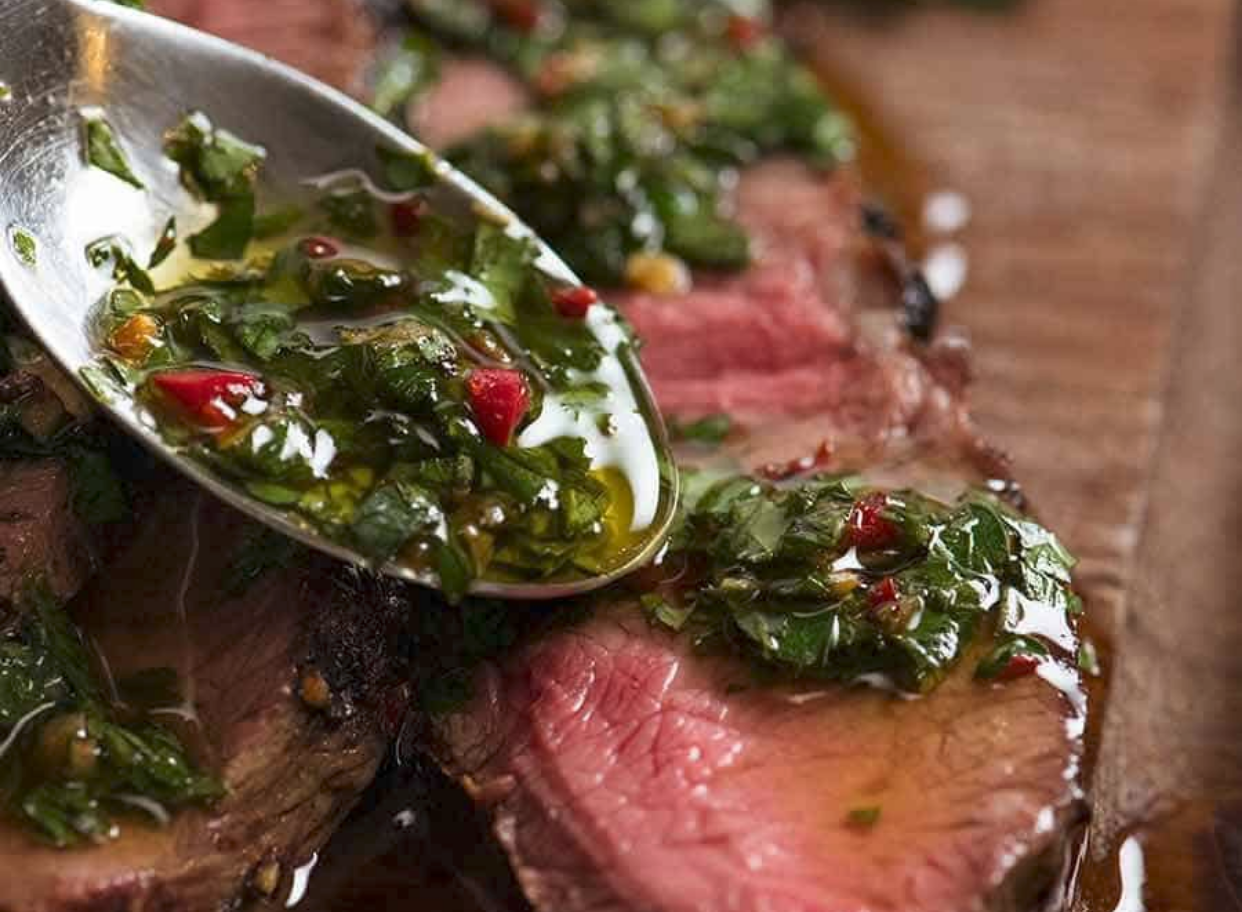
If asado is Argentina's culinary religion, then chimichurri is the holy water. This bright, herbaceous sauce is the essential companion to every grilled meat in Argentina, and making it the right way is a point of family pride. Every Argentine family has their own recipe, passed down through generations, and the debate about the "correct" chimichurri is as passionate as any football rivalry.
At Betty and Marcelo, chimichurri is part of our story. Marcelo's recipe has been perfected over decades at the parrilla, and it's one of the things guests ask about most. This guide shares everything you need to know about making authentic Argentine chimichurri at home.
What Is Chimichurri?
Chimichurri is a raw, uncooked sauce made primarily from fresh parsley, garlic, oregano, red pepper flakes, vinegar, and olive oil. It originated with the gauchos on the Argentine Pampas and has been an inseparable part of asado culture for centuries.
Unlike pesto or other herb sauces, chimichurri is not blended or pureed. It's hand-chopped, giving it a rustic texture with distinct pieces of herb and garlic. The vinegar gives it brightness that cuts through the richness of grilled meat, while the olive oil carries the flavors together.
Classic Argentine Chimichurri Recipe
This is a traditional chimichurri recipe in the style you'll find at asados across Buenos Aires and the Pampas.
Ingredients
- 1 cup fresh flat-leaf parsley, finely chopped (about 1 large bunch)
- 4 cloves garlic, minced
- 1 tablespoon dried oregano (or 2 tablespoons fresh)
- 1 teaspoon red pepper flakes (ají molido in Argentina)
- ½ cup red wine vinegar
- ½ cup extra virgin olive oil
- 1 teaspoon salt
- ½ teaspoon freshly ground black pepper
- 2 tablespoons warm water
Instructions
-
Chop the parsley by hand. Use a sharp knife, not a food processor. You want distinct pieces, not a paste. Chop finely but not to dust.
-
Mince the garlic. Again by hand. The garlic should be in tiny pieces that distribute throughout the sauce.
-
Combine dry ingredients. In a bowl, mix the parsley, garlic, oregano, red pepper flakes, salt, and black pepper.
-
Add the liquids. Pour in the red wine vinegar, olive oil, and warm water. Stir to combine.
-
Rest before serving. This is the crucial step most recipes skip. Let the chimichurri sit for at least 30 minutes (ideally 2-4 hours) at room temperature before serving. The flavors need time to marry.
-
Stir before serving. The oil will separate. Give it a good stir right before you spoon it over your meat.
The Golden Rule
Never blend chimichurri. The moment you put it in a food processor, it becomes a different sauce. The hand-chopped texture is not just tradition, it's functionally important. The distinct pieces of parsley and garlic create bursts of flavor that complement, rather than coat, the meat.
Chimichurri Variations
Chimichurri Rojo (Red Chimichurri)
While green chimichurri is the classic, chimichurri rojo adds roasted red peppers and sometimes tomato for a sweeter, smokier version. It's particularly popular in the northern provinces of Argentina.
Additional ingredients for rojo:
- 1 roasted red bell pepper, finely diced
- 1 teaspoon smoked paprika
- ½ teaspoon cumin
Criolla Sauce (Salsa Criolla)
Often confused with chimichurri, salsa criolla is a separate condiment that also appears at every asado table. It's made with diced onion, tomato, and bell pepper in vinegar and oil, without the heavy herb component. Together, chimichurri and salsa criolla are the two pillars of asado condiments.
Tips from Our Grillmaster
Marcelo has been making chimichurri for decades. Here are his key tips:
Use dried oregano, not fresh. This surprises people, but in Argentina, dried oregano is traditional in chimichurri. It has a more concentrated, slightly different flavor than fresh that stands up better to the bold taste of grilled meat.
Don't skimp on the vinegar. The acidity is what makes chimichurri work as a condiment for rich, fatty meat. Too much oil and not enough vinegar creates a greasy sauce that doesn't cut through the meat's richness.
Make it the night before. While chimichurri is good after 30 minutes, it's even better after resting overnight in the refrigerator. The flavors deepen and meld beautifully.
Keep it chunky. Argentines don't want chimichurri to look like a smoothie. Rough, rustic, hand-chopped. That's the texture.
Adjust the heat. The red pepper flakes (ají molido) should add warmth, not fire. Authentic chimichurri has a gentle kick, not a burn. Start with less and add more to taste.
How to Use Chimichurri
With Asado
Chimichurri goes on virtually every cut of meat at an asado:
- Chorizo and morcilla - A spoonful on your choripán (sausage sandwich) is mandatory
- Matambrito (pork belly) - The herbs and acid balance the richness perfectly
- Colita de cuadril (tri-tip) - Let the chimichurri pool on top of the sliced meat
- Ojo de bife (ribeye) - A light drizzle enhances without overpowering the beef flavor
- Bread - Dip fresh bread directly into chimichurri as a snack while waiting for the meat
Beyond Asado
Chimichurri is incredibly versatile:
- Marinade for chicken or fish before grilling
- Drizzled over roasted vegetables
- Mixed into scrambled eggs
- As a sandwich spread
- Over grilled provoleta cheese (the Argentine grilled provolone appetizer)
The Cultural Significance of Chimichurri
In Argentina, chimichurri isn't just a sauce, it's a family heirloom. Every household has their own version, often with subtle variations that have been passed down through generations. Some families add a touch of lemon juice. Others use white wine vinegar instead of red. Some include a bay leaf during the resting period.
Asking an Argentine about their chimichurri recipe is like asking about their family history. It's personal, it's passionate, and there's always a story behind it.
At our asado dinners, Marcelo prepares his chimichurri fresh for every evening, and it's one of the highlights of the meal. Watching the careful hand-chopping and precise seasoning is a window into the attention to detail that defines Argentine grilling culture.
Experience Chimichurri at Its Best
The best way to experience chimichurri is the way Argentines do: freshly made, alongside perfectly grilled meat, with a glass of Malbec in hand and good company around the table.
At our asado experience in Palermo Soho, you'll taste Marcelo's signature chimichurri alongside a full progression of Argentine asado cuts, paired with premium Argentine wines. It's chimichurri the way it was meant to be enjoyed.
U$D 104.00 per guest - Book your asado experience →
FAQ: Chimichurri
How long does chimichurri last?
Chimichurri keeps in the refrigerator for up to 2 weeks in a sealed container. The flavors actually improve over the first 24-48 hours. Bring it to room temperature before serving.
Can I make chimichurri in a food processor?
You can, but you shouldn't. Authentic Argentine chimichurri is hand-chopped. A food processor turns it into a paste and changes both the texture and the way the flavors interact with meat. Take the extra 10 minutes to chop by hand.
What's the difference between chimichurri and salsa verde?
While both are green herb sauces, chimichurri is distinctly Argentine and uses parsley as the primary herb with red wine vinegar. Italian salsa verde uses a wider variety of herbs and often includes capers and anchovies. Chimichurri is also never blended smooth.
Is chimichurri spicy?
Traditional chimichurri has a gentle warmth from red pepper flakes, but it's not meant to be spicy. The heat should complement, not overpower, the herbs and garlic. You can adjust the pepper flakes to your taste.
What meat goes best with chimichurri?
All grilled meats benefit from chimichurri, but it's particularly stunning with beef. In Argentina, it's most commonly served with asado cuts like chorizo, colita de cuadril (tri-tip), and ojo de bife (ribeye). It also pairs beautifully with grilled chicken and lamb.
Read more: Best Steakhouses in Buenos Aires | Argentine Steak Cuts Guide