How to Host an Asado: A Step-by-Step Guide from a Buenos Aires Grillmaster
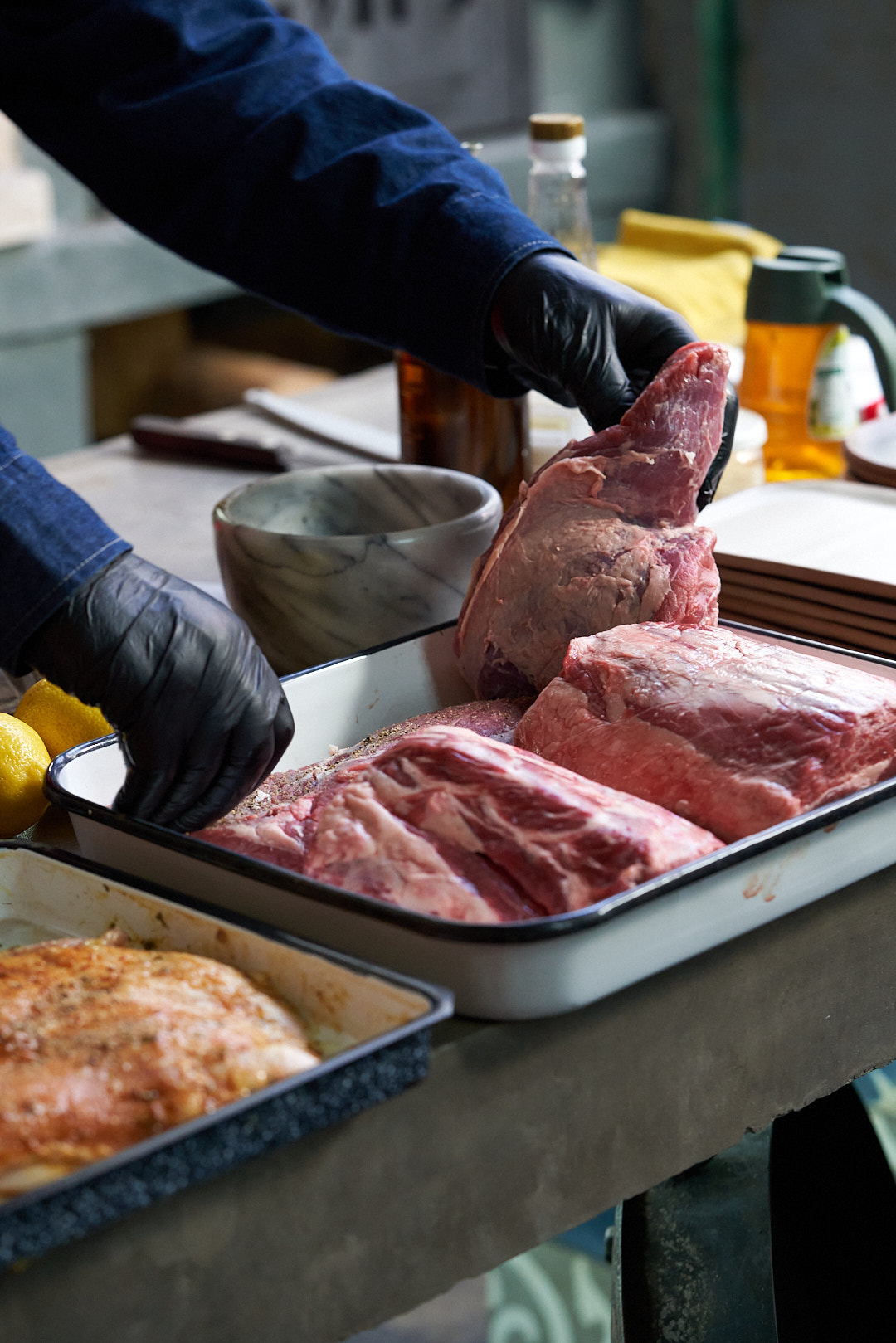
Hosting an asado is not difficult. But it is specific. There is a sequence to it — a logic that runs from the moment you light the fire to the moment you serve the last cut — and understanding that sequence is the difference between a rushed grill and a proper asado.
Marcelo has been hosting asados in Buenos Aires for decades. This is how he does it.
Before You Start: The Mindset
An asado is not a barbecue you rush through. The fire takes time. The meat takes time. The conversation takes time. Build that into your plan before you begin. If guests arrive at 7pm, plan to start eating around 8:30pm. The hour and a half in between is not waiting — it is the asado.
What You Need
The grill: A parrilla (Argentine grill) with a grate you can raise and lower is ideal. A standard charcoal grill works. Gas does not. The smoke and the radiant heat from embers are not optional.
The fuel: Wood is traditional. Charcoal works well and is easier to manage. Never use lighter fluid — it leaves a chemical taste on the meat. Use newspaper and kindling to start the fire.
The cuts:
- Chorizo and morcilla (for the opening)
- Matambrito (pork flank, thin and fast to cook)
- Vacío or entraña (mid-course)
- Colita de cuadril or ojo de bife (the centrepiece)
Buy from a butcher, not a supermarket, if possible. Ask for cuts as they would be prepared for an asado — they will know what you mean.
The condiments:
- Chimichurri (see our chimichurri recipe)
- Salsa criolla (diced tomato, onion, and capsicum in vinegar and oil)
- Salt — coarse, applied right before the cut goes on the grill
The wine: Torrontés to open, Malbec with the mains. Have enough.
Step 1: Build the Fire Early
Light the fire 45 minutes to an hour before you plan to start cooking. This is the most common mistake people make — starting the fire too late and rushing.
Build a pyramid of wood or charcoal in one corner of the grill. Light it there, not in the centre. Once the coals are glowing and covered in white ash, rake them out across the grill bed. You want a uniform layer of embers with no open flame. Open flame burns the outside of the meat before the inside is cooked.
The coals should glow orange-red with a white ash coating. If you hold your hand 10cm above the grate for 2 seconds before pulling away, the heat is right.
Step 2: Season the Meat
Argentine grilling uses almost no marinade. The flavour comes from the quality of the meat, the smoke, and the fire. Season with coarse salt on both sides, applied just before the meat goes on. Nothing else is needed for the main cuts.
Chorizo and morcilla go on unseasoned. They have enough flavour.
Step 3: The Order of Service
This is the structure of an asado. Each item arrives when it is ready, in this sequence:
1. Provoleta (10 minutes) A thick disc of provolone cheese directly on the grill. It is ready when the top starts to melt and the bottom chars. Serve immediately as guests arrive.
2. Empanadas (if prepared in advance) Baked empanadas from the oven can come out alongside the provoleta. Something to eat with the first wine while the larger cuts are cooking.
3. Chorizo and morcilla (20-25 minutes) Go on early, over moderate heat. Chorizo should be cooked through with a slightly charred skin. Morcilla cooks faster — watch it. Serve sliced in bread as choripán, or on a board with chimichurri.
4. Matambrito (20-30 minutes) Thin pork flank. Goes on while the chorizo is finishing. Cooks fast and benefits from the chimichurri.
5. Vacío or entraña (20-30 minutes for entraña, 45+ for vacío) The transition to the main beef. Entraña is thin and fast. Vacío is thick and slow — put it on before the chorizo if you are serving it.
6. Colita de cuadril or ojo de bife (30-40 minutes) The centrepiece of the asado. These go on last and get the most attention. Rest them for 5 minutes before slicing.
Step 4: Managing the Fire
Add fuel to the side of the grill, not under the meat. Let new charcoal or wood catch in the corner and then rake embers across when needed. You never want raw fuel under cooking meat.
Raise the grate if things are cooking too fast. Lower it for more heat. Resist the urge to press, prod, or flip constantly. Each cut should be turned once. Twice at most.
Step 5: The Rest
This is the step most people skip. Every cut of beef needs at least 5 minutes of rest after coming off the grill. The fibres relax, the juices redistribute, and the meat becomes noticeably more tender. Cover loosely with foil or an inverted plate.
The Asado Host's Job
The asador (the host at the grill) does not sit down during the asado. This is not a burden — it is the role. You tend the fire, manage the timing, and bring each cut to the table at its perfect moment. Your guests eat well because you are paying attention.
It is also where the conversation happens. People come to the grill. You explain what is cooking and why. That exchange is part of what an asado is.
What Marcelo Knows That Takes Time to Learn
The coals are everything. A fire that looks impressive with big flames is not a good cooking fire. You want the quiet glow of embers, not spectacle.
Salt goes on before, chimichurri goes on after. Salting before helps form the crust. Chimichurri is a condiment, not a marinade.
Never serve a cut before it is ready. The asado has its own clock. Guests eat when the asado is ready, not when they get impatient.
The chorizo is not the main event. Treat it well, but save the best cuts and the best attention for the beef.
Experience It Before You Host It
The fastest way to learn to host a proper asado is to attend one where someone who has been doing it for decades is at the grill. At our Palermo Soho workshop, you sit right next to Marcelo throughout the evening and watch every decision — the fire management, the timing, the order of service. Ask as many questions as you like.
U$D 104.00 per guest, all wines included.
FAQ: Hosting an Asado
How long does an asado take from start to finish?
Plan for a 3 to 4 hour process including fire prep. If guests arrive at 7pm, the fire should be lit by 6pm and the first food (provoleta, chorizo) should be ready by 7:30pm. The main beef cuts come out around 8:30-9pm.
How much meat per person?
For a full asado with multiple cuts, plan for about 400-500 grams of combined meat per person (raw weight). This includes chorizo, lighter cuts, and the main beef. Adjust for appetite.
Can I do an asado without a parrilla?
Yes. A standard kettle grill or offset smoker works well. The key is using charcoal or wood, building the fire correctly, and maintaining an indirect heat zone. Gas grills can produce decent results but lack the smoke character of a proper asado.
What is the biggest mistake people make when hosting an asado?
Starting the fire too late. The second biggest is using too much heat and burning the outside before the inside is cooked. Both come from impatience. The asado teaches patience.
Do I need all the cuts listed here?
No. A simpler asado with just chorizo and one or two beef cuts is completely valid. The complexity is part of the tradition but not mandatory. Start simple, add cuts as you get more comfortable with the timing.